

Home > Company News
Calling every long-standing obstruction an allergy can miss nonallergic rhinitis, chronic rhinosinusitis, nasal polyps, septal deviation, adenoid enlargement, or medication-induced rhinitis. Persistent one-sided symptoms, reduced smell, purulent discharge, facial pressure, or recurrent bleeding should prompt diagnostic review rather than simply adding more allergy medication.
Aiming at the septum, sniffing too forcefully, blowing the nose immediately afterward, or using a blocked nozzle can reduce local benefit. Gently clear the nose, lean slightly forward, point toward the outer corner of the eye, and use a light sniff. Recurrent bleeding or significant irritation warrants examination of the septum and review of technique.
• An intranasal corticosteroid generally works best with regular use rather than occasional use only when blockage is severe.
• Stopping as soon as symptoms improve can allow incompletely controlled inflammation to become active again.
• Environmental measures and immunotherapy require time and cannot be judged after one or two days.
• The realistic goal is fewer symptoms and flares, not a guarantee that every nasal sensation will disappear forever.
Prolonged continuous use of a topical decongestant is a common cause. Some blood-pressure medicines, hormonal changes, and other drugs can also affect the nasal mucosa. Bring a complete medication list and do not stop prescriptions independently. Changes to anticoagulants, antihypertensives, or neuropsychiatric medication require coordination with the original prescriber.
• Asthma and rhinitis often interact; nighttime cough, wheeze, or exertional breathlessness deserves parallel assessment.
• Reflux, sleep apnea, and long-term mouth breathing can amplify throat and nasal discomfort.
• Chronic rhinosinusitis or nasal polyps need a separate anti-inflammatory, imaging, and follow-up plan.
• In children, persistent obstruction also raises questions about adenoids, a foreign body, and sleep quality.
Dampness and mold, bedroom dust mites, tobacco smoke, renovation odors, workplace dust, and repeated temperature shifts can offset treatment. Change one factor at a time and record the result rather than buying many unvalidated air or mite-control products at once. If occupational rhinitis is possible, compare workdays with days away and seek occupational or specialist advice.
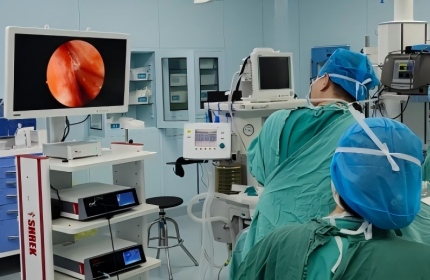
Bring the actual medicines or photographs, the daily frequency, treatment duration, a symptom diary, and previous test results. Depending on the question, the clinician may select nasal endoscopy, allergy testing, or sinus CT. The aim is to find the failed part of the plan and build an actionable next step, not to repeat every available test.
/ Medical Disclaimer
This article is for health education and web-content reference only. It does not replace an in-person medical assessment, diagnosis, or treatment. Rhinitis classification, medication, and any procedural decision must be individualized by qualified healthcare professionals.

+86-13167065777
Building 5A, No. 9628, Hunan Highway, Pudong New Area, Shanghai, China
 Links:
Shanghai Shiyin Photoelectric Instrument Co.,Ltd. All Right Reserved