

Home > Company News
Most endoscopic sinus surgery is performed through the natural nostrils without a facial incision. The endoscope displays a magnified view of the nasal cavity and sinus openings. Guided by preoperative CT and real-time anatomic landmarks, the surgeon addresses polyps, inflamed tissue, and obstructed drainage pathways. Complex disease or previous surgery may change the plan.
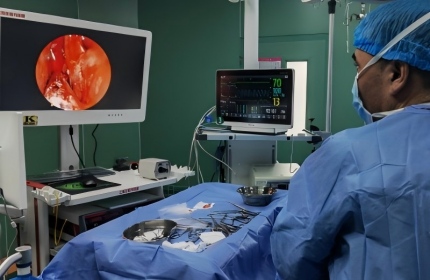
• The team confirms endoscopy, CT, laboratory results, medical history, medications, and allergies.
• Most extensive sinus procedures are performed under general anesthesia; selected limited procedures may use another approach.
• Asthma, sleep-related breathing problems, aspirin intolerance, and previous anesthesia reactions should be reported in advance.
• Anticoagulants, diabetes medication, and supplements must be adjusted only according to clinician instructions.
The surgeon removes obstructive polyps and opens the natural pathways of involved sinuses according to disease extent. Healthy mucosa and important structures are preserved whenever possible. This supports ventilation and drainage and improves access for postoperative irrigation and topical medication.
Removing only the most visible nasal polyp without assessing its sinus source may leave persistent inflammation and obstruction. At the same time, surgery is not expanded indiscriminately. The boundaries are determined by the patient's disease and safe anatomy.
The surgeon confirms hemostasis and decides whether absorbable material or nasal packing is needed based on bleeding, surgical extent, and the material used. In recovery, breathing, bleeding, and pain are monitored. Hospital stay, packing removal, and the start of irrigation depend on the surgical team's instructions.
Early congestion, blood-stained drainage, crusting, and temporary fluctuation in smell are common. Recovery does not end at discharge; endoscopic follow-up and care of the healing sinus cavities are usually part of the treatment course.
• Bleeding, infection, adhesions, persistent blockage, and polyp recurrence are recognized risks.
• The sinuses lie near the orbit and skull base. Visual injury, orbital complications, or cerebrospinal fluid leak are uncommon but potentially serious.
• Smell may improve, remain unchanged, or temporarily decline; long-term reduction is possible in a minority of cases.
• Navigation and powered instruments may assist localization and treatment but do not replace the surgeon's anatomic judgment.
Medical Disclaimer
This article is for health education and web-content reference only. It does not replace an in-person medical assessment, diagnosis, or treatment. Surgical candidacy and the treatment plan must be determined by qualified ENT professionals.

+86-13167065777
Building 5A, No. 9628, Hunan Highway, Pudong New Area, Shanghai, China
 Links:
Shanghai Shiyin Photoelectric Instrument Co.,Ltd. All Right Reserved